Rise of Cultures starts where most of these games do, in the Stone Age, but it quickly shows a sharper focus. Everything runs on workers, and you never have enough. Each task, whether raising a building, producing food and gold or training troops, ties up hands for a while, and the core puzzle is keeping every worker busy without leaving anything important waiting.
The game launched worldwide on iOS and Android in early 2022 and has since arrived in the browser, which is where we played it. That mobile origin shows in the best way: tasks are short, the interface is clean, and a five-minute visit always achieves something. It is a builder that respects a busy day, and we found it easy to keep open in a corner of the screen.
A small crew and a long list of jobs
Homes give you more workers and also produce gold, which makes them the most important buildings in the early game. Every other structure competes for the same pool of hands, so planning is less about road layouts and more about scheduling. Do you train troops now, or build the farm that will feed the next research step? Getting that order right is quietly addictive.
Food and gold pay for construction, research and training, and keeping both flowing means placing production sensibly and upgrading it in good time. Buildings sit on a grid with limits on how many of each type you can place, so the map does fill up. We learned to max out homes early, which an experienced reader had told us to do, and the whole economy loosened as a result.
Allied cultures beside your capital
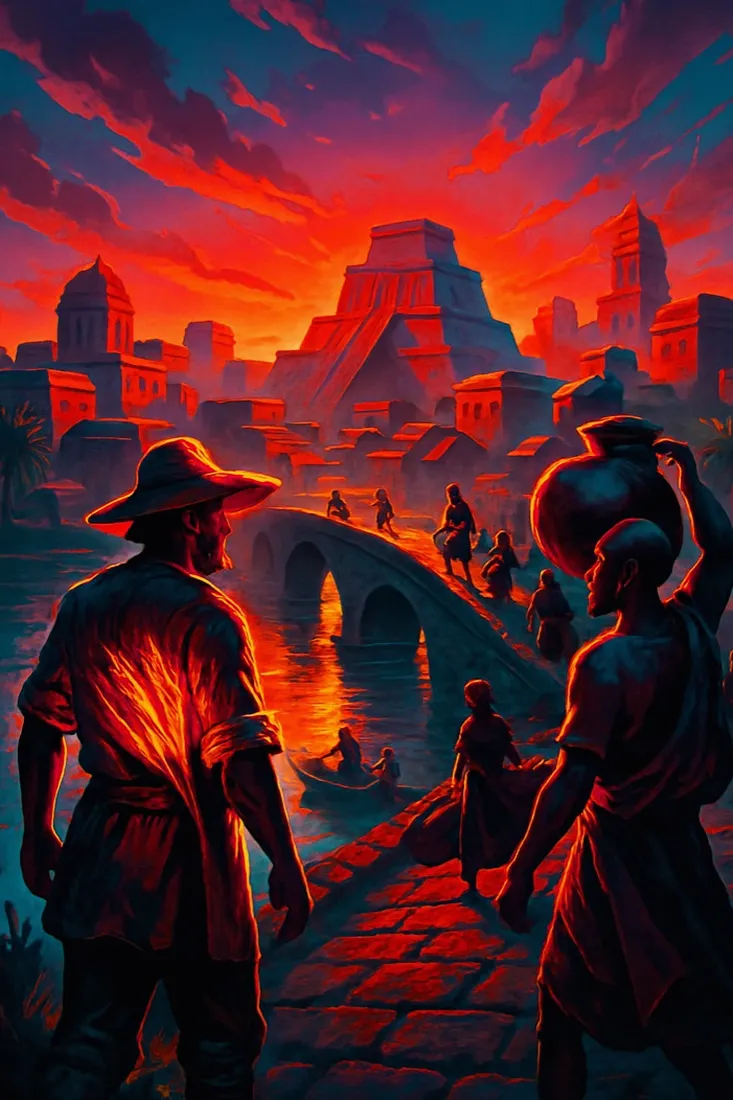
The most distinctive idea here is allied cultures. As your main city moves through the ages, you settle extra territories based on ancient civilisations; InnoGames’ own examples include Egyptian settlements that strengthen a Greek capital and an alliance with China during the Roman period. Each feels like a side city with its own goods and character.
These cultures stop the game from becoming one long grind on a single map. Switching to an allied settlement gives you a fresh layout problem and new things to produce, and the goods you make there feed back into the capital. It is a clever way to keep the middle game interesting, and it gave our sessions a welcome sense of travel.
Formations, commanders and campaigns against legends
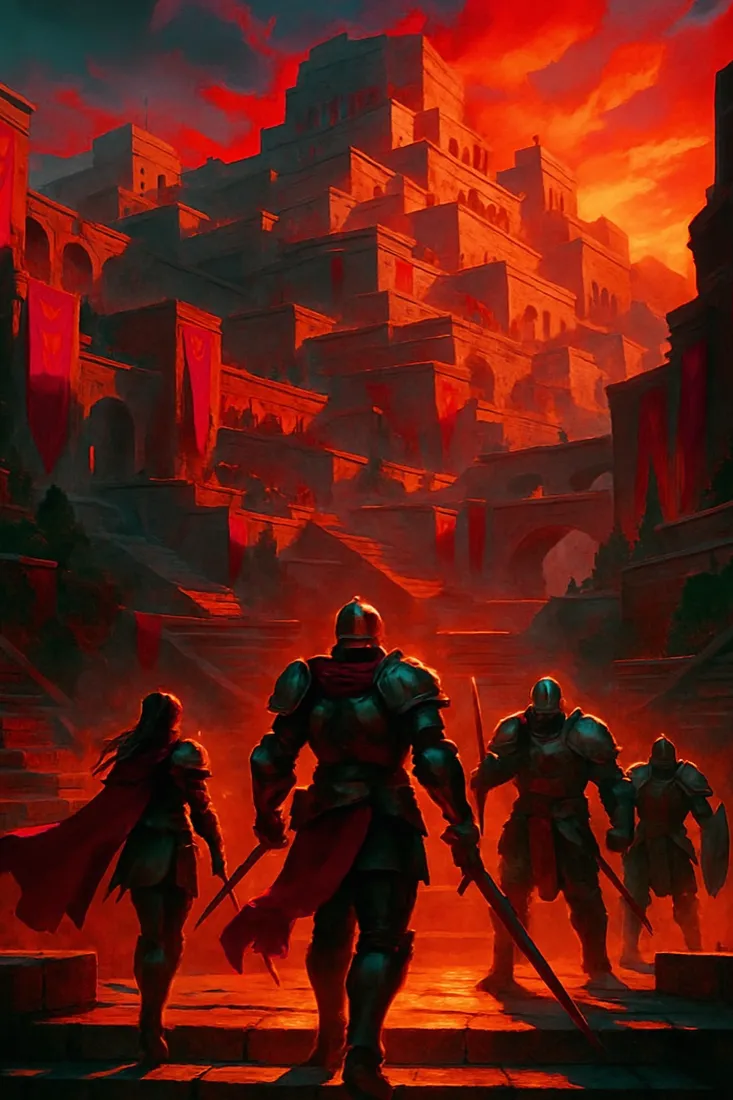
Battles are fought against computer opponents on a campaign map, and winning them expands your territory and brings food, gold and other rewards. You arrange your army before each fight, with infantry at the front, archers behind and cavalry on the flanks, and commanders bring special abilities that can swing a battle at the right moment.
The opponents include famous figures from history, with names such as King Minos, Leonidas and Hannibal on the campaign trail. We enjoyed the battles more than we expected; they are short and readable, and a well-placed formation clearly beats brute numbers. Players who want only peaceful building will find them unavoidable, though rarely punishing in the early ages.
Research points, alliances and the long view
Research runs on points that accumulate on their own, starting at roughly one an hour, and can also be earned from quests and investigating incidents around your land. Each project also needs food or gold, so the research tree and the economy are tightly linked. Advancing an age feels like a real achievement because the whole town has worked towards it.
Alliances let players chat, trade and work together, and an active one adds plenty to the experience. Rise of Cultures is less social than Forge of Empires overall, and we could play happily for days without needing anyone. The main limits are the familiar ones: timers lengthen with each age and premium offers are never far away, although we never felt blocked.
Rise of Cultures: laying the first stones
- Build every home you are allowed early; they bring both workers and gold, and the economy hinges on them.
- Never leave a worker idle; queue short tasks before logging off and longer ones before bed.
- Spend research points steadily and check quests and incidents for extra points you might otherwise miss.
- Arrange infantry at the front, archers behind and cavalry on the sides before every campaign battle.
- Look for an active alliance once your second age arrives, mainly for trading and quick advice.
What we love
- The worker system makes every short visit feel productive and purposeful.
- Allied cultures add fresh maps and goods to keep the middle game lively.
- Battles are quick, readable and genuinely reward good formations.
- Clean, modern interface that suits a laptop corner or a phone equally well.
What grates
- Space and building limits can make the layout feel cramped by the later ages.
- Battles are part of progress, so purely peaceful players have no way round them.
- Timers stretch noticeably with each new age.
The planner Rise of Cultures rewards
Rise of Cultures is for planners who love scheduling more than sprawling, and for anyone who wants a civilisation builder that fits into short breaks. If you enjoy keeping a busy workshop humming and like your history populated by famous names, it is an excellent choice.
Rise of Cultures: the finished plan
This is the best-organised economy on our shelf, and the most considerate of a busy schedule. Workers, allied cultures and tidy battles make every session feel useful, and the move through the ages is genuinely satisfying. It lacks a little of Forge of Empires’ long-term depth and social buzz, but for short, clever planning sessions it is hard to beat.