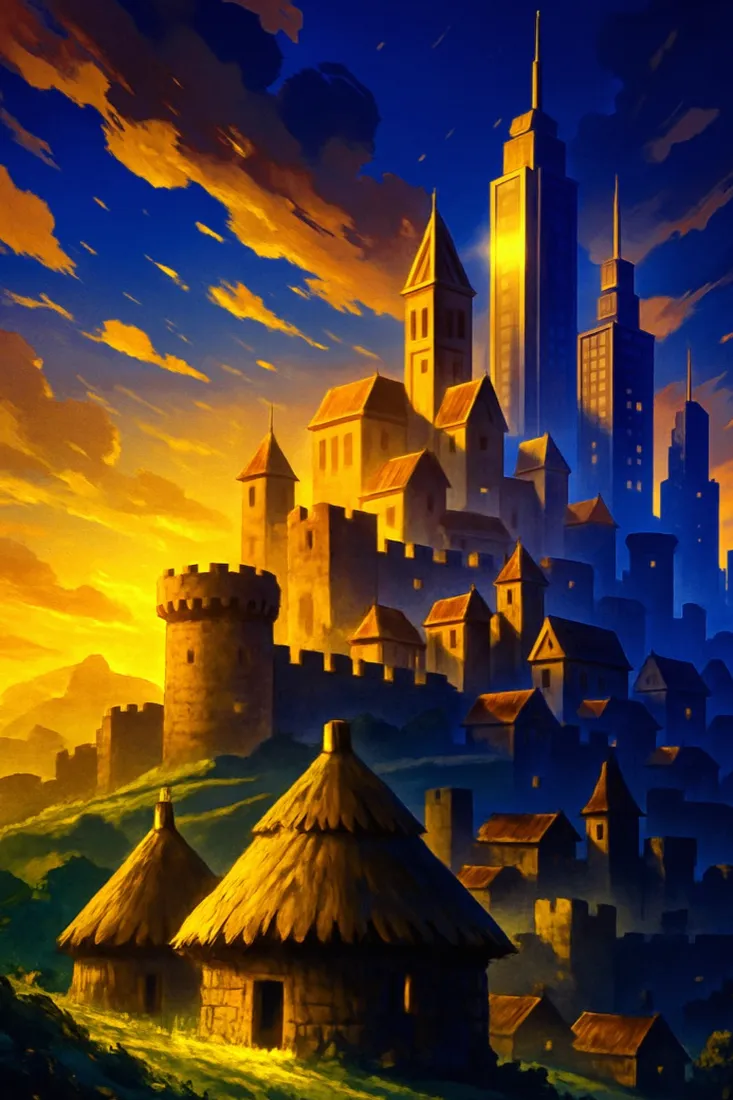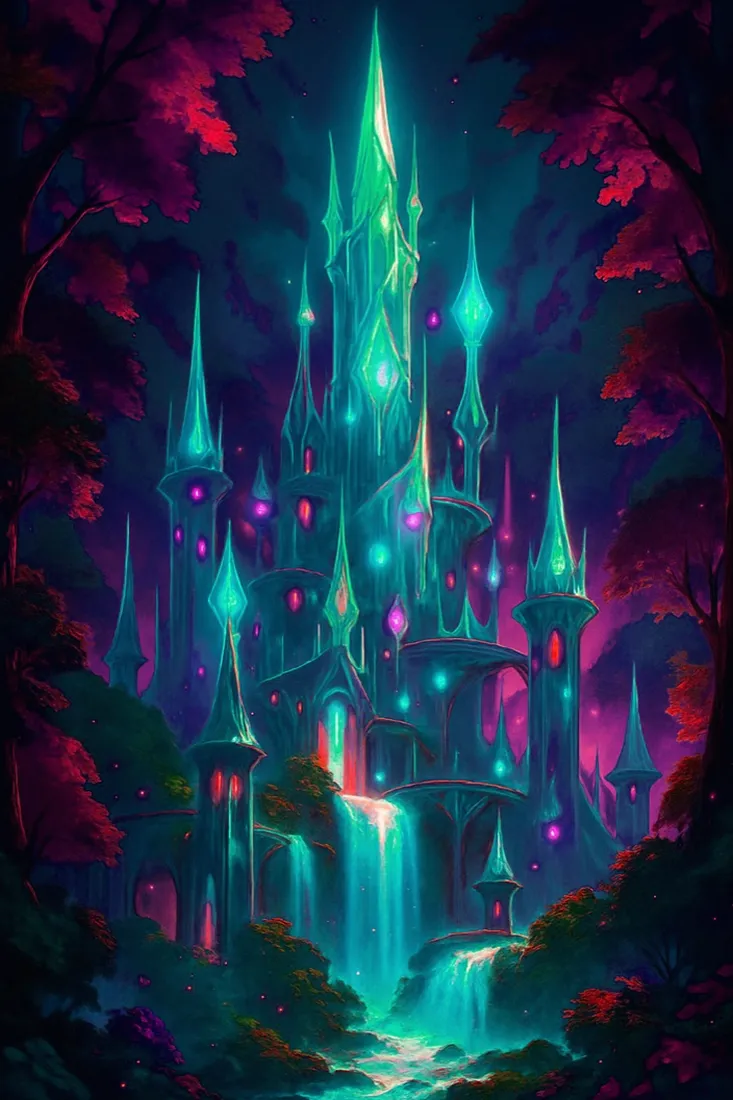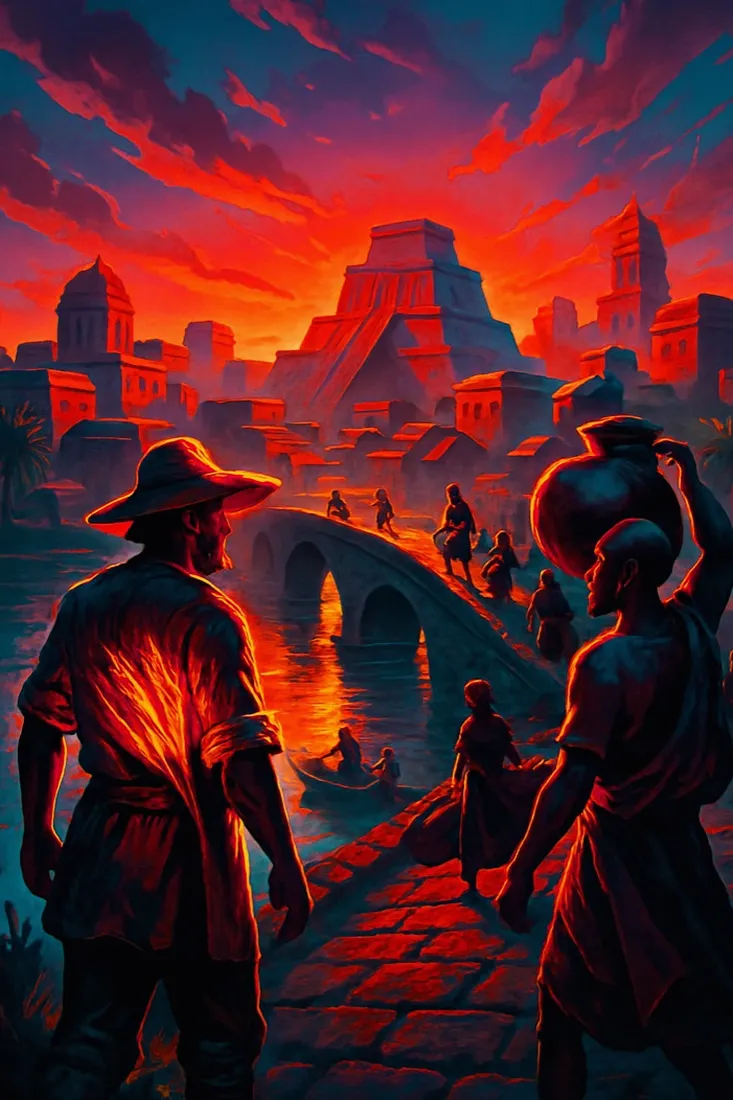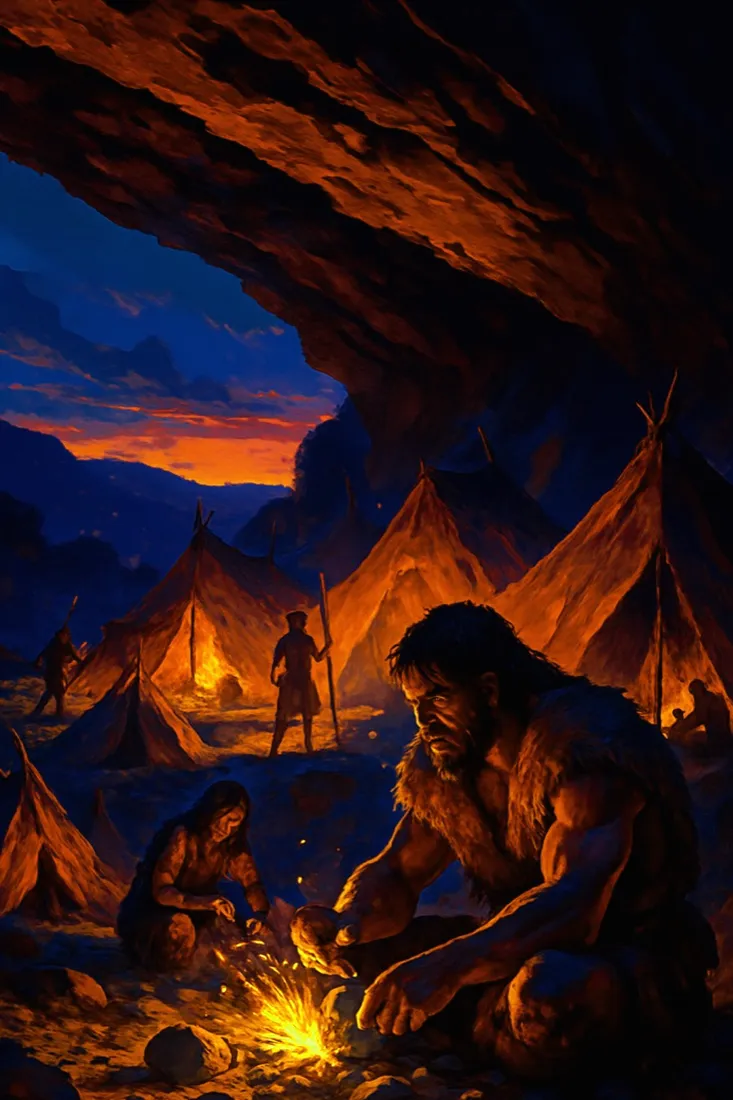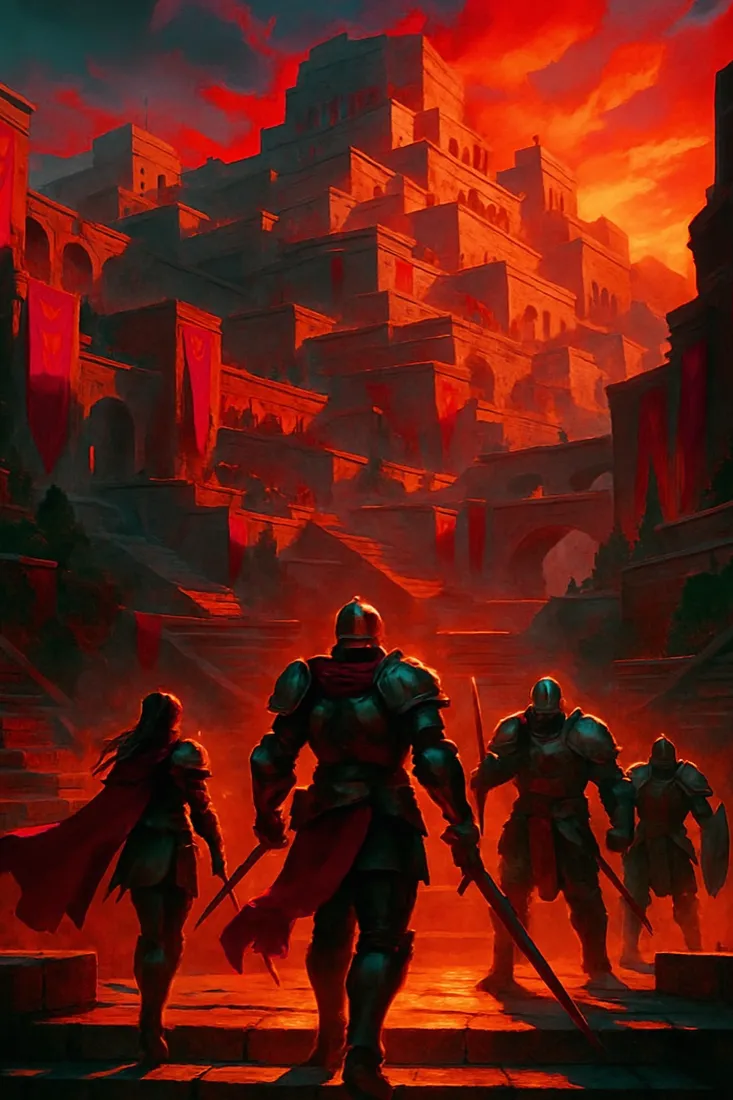
Most city builders treat battles as a side dish. Heroes of History flips that. There is a city, it grows from a humble Stone Age settlement through the eras, and its layout matters, but the beating heart of the game is a roster of heroes. InnoGames promises more than seventy of them, drawn from history and mythology, each with distinct abilities and a backstory.
The framing is time travel, with figures such as Einstein appearing as you try to protect humankind from disaster across the ages. It is cheerful nonsense, and it works. We came to this game wondering whether it belonged on a city-building site at all; after two weeks we decided it does, but as the outlier, the one for readers who prefer armies to architecture.
A city that quietly powers the whole squad
The city is not decoration. Research technologies, upgrade the barracks and your whole roster gets stronger, with stat boosts and faster ability training. Layout planning still matters, because the game openly says that how you arrange your city can turn the tide of battle, so space and placement feed straight into your fighting strength.
That said, the town asks less of you than in Forge of Empires or Elvenar. We spent far less time rearranging and far more time deciding which hero to level next. If you came for intricate street planning, the city side will feel thin. If you came for a strong team, it is the reliable engine room behind every fight.
Summoning, levelling and the ascension grind
Heroes arrive through summoning, then level up, unlock abilities and ascend using materials you earn in specific battle modes. You also equip them with gear and relics. The result is a steady loop of small upgrades, and picking which heroes deserve your limited materials becomes the game’s central puzzle.
Building complementary teams is where it gets interesting. Some heroes protect, others deal damage, and the right mix beats a lopsided squad of favourites. We wasted resources early on heroes we liked the look of; a reader later pointed out that balance matters more than star power, and our campaign progress improved noticeably once we listened.
Timing the special move that wins the fight
Battles revolve around your heroes’ special abilities, and timing their activation at the right moment can turn a fight. Manual play rewards attention: holding a big ability for the moment the enemy bunches up, or saving a heal for the hit you know is coming, is satisfying in a way the purely economic builders never quite manage.
The variety of modes is wide. There is a campaign for the story, Tesla Storms for ascension materials, Treasure Hunt for mastery resources, Historic Battles for equipment, an Arena for player-versus-player competition and Battle for Atlantis for alliances, plus events such as dungeons. Each feeds a different part of your progress, which keeps the daily routine varied.
Alliances, the arena and where the shop sits
You can form alliances with friends and fight alongside them, and alliance content gives the game a social edge. The arena adds competition against other players, though we found it more fun as an occasional test than a daily obsession. Solo players will find plenty to do in the campaign and the various resource modes.
Summoning is where the monetisation pressure gathers, as it does in most hero collectors. Free players earn summons steadily, but the temptation to buy more is constant, and the gap between a patient free roster and a paying one can show in the arena. In our time the campaign stayed fair; competitive modes were less forgiving.
Heroes of History: laying the first stones
- Follow the campaign and tutorial closely; they introduce battle modes and hero systems one at a time.
- Pick a balanced core of heroes and focus upgrades on them rather than spreading materials thinly.
- Upgrade the barracks and push research, since both strengthen every hero on your roster at once.
- Play battles manually at first and learn when each hero’s ability makes the biggest difference.
- Check each daily battle mode, as each one supplies a different upgrade material you will need later.
What we love
- A large, varied roster of historic and mythological heroes to collect and develop.
- Timing abilities by hand makes battles genuinely engaging and tactical.
- Many battle modes keep a daily session varied and purposeful.
- The city side meaningfully strengthens the squad rather than sitting idle.
What grates
- City planning is lighter than in the other empire builders here.
- Summoning pushes the shop hard, and arena rankings can reflect spending.
- The number of modes and materials can feel bewildering in week one.
The planner Heroes of History rewards
Heroes of History is for players who enjoy collecting and developing a team, who like battles with a bit of hands-on timing, and who want a city in the background rather than at the centre. Dedicated town planners will find it light; squad builders will feel right at home.
Heroes of History: the finished plan
Heroes of History is the odd one out on our shelf, and enjoyably so. It keeps a growing city as a solid foundation but spends its energy on heroes, abilities and a wide spread of battle modes. Town planning is shallow and the summoning shop is pushy, but if you want a civilisation game that is really about who leads the army, it is the strongest choice here.