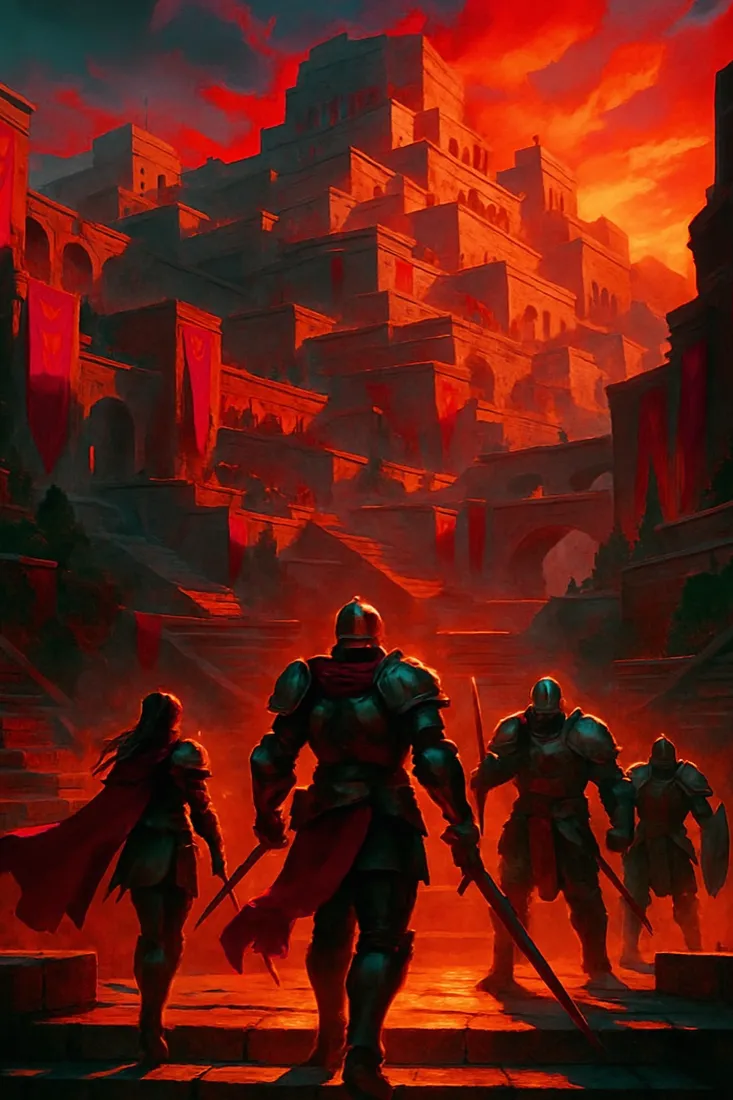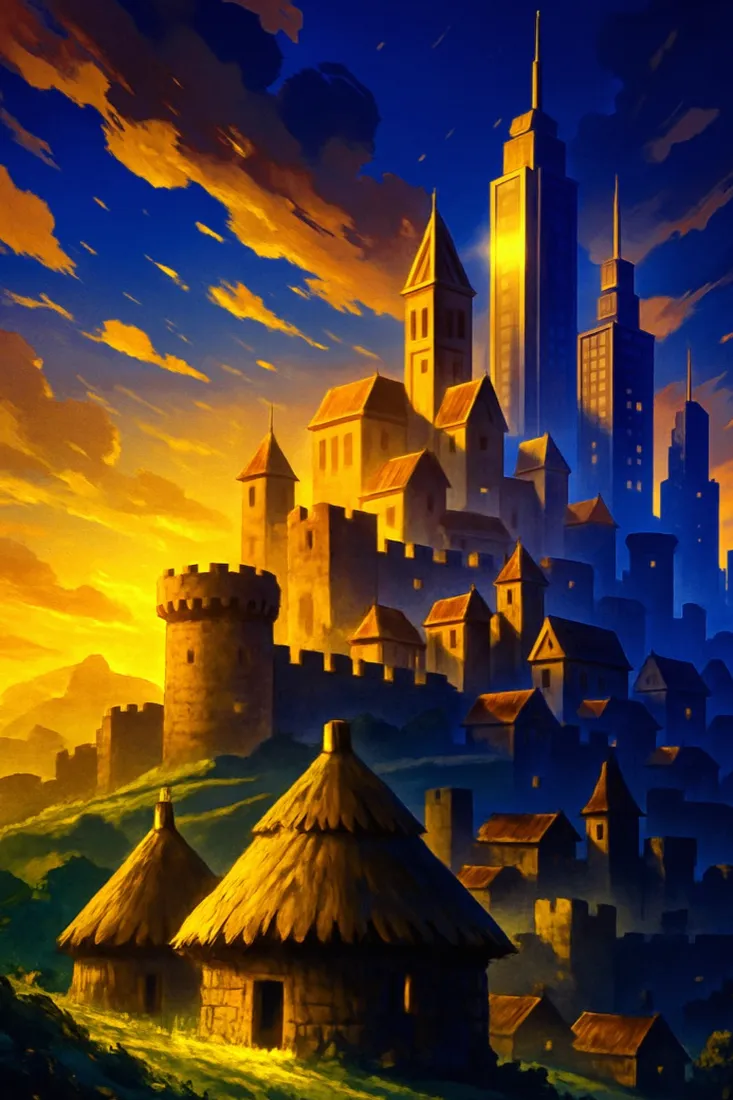
Our first town in Forge of Empires was a few Stone Age huts squeezed onto a scrap of ground, and it did not look like the start of anything serious. Within a fortnight it was a crowded little settlement with a waiting list of buildings, a research tree we had opinions about, and a guild chat that pinged at breakfast. That slow transformation is the whole appeal, and few browser games manage it so convincingly.
InnoGames has run the game for well over a decade and it shows in the depth. There are eras to climb, landmarks to raise, battles on a hex map and a continent to push across. It can feel like a lot. Our advice is to ignore most of it at first, build for population and supplies, and let the game reveal its layers one era at a time.
Houses, supplies and the art of squeezing
The economy is easy to grasp. Houses give you population, which every other building needs, and gold. Production buildings turn out supplies, which pay for almost everything else. Early on you can place freely, but space runs out quickly and the game knows it. You start rearranging, replacing older buildings with better ones from the current era, and that constant pressure is the real puzzle.
We enjoyed how physical the planning feels. Every building takes a footprint and many need a road, so a city that works on paper can still sprawl. Our second layout, built after scrapping the first, gave us a noticeably healthier income from the same ground. The game does not tell you this; you learn it by staring at the map and trying again, which is exactly what a builder should ask.
Forge points and the patient climb through the ages
Research runs on forge points, which recharge automatically over time. You spend them on the technology tree, and finishing technologies unlocks new buildings and, eventually, the next era. Moving from the Stone Age into the Bronze and Iron Ages is a genuine milestone because the whole look of the city changes with it, and old buildings start to look embarrassingly small.
The tree also asks for goods and supplies on many steps, so you cannot simply wait out the timers. You have to make sure your workshops and goods buildings have kept pace. That link between research and production is what makes the progression feel earned. When an era ends you feel you have built the bridge to the next one, rather than simply watching a bar fill up.
Great Buildings and why your neighbours matter
Great Buildings are the landmarks modelled on real wonders, and they are where long-term planning lives. Each needs construction space, goods, forge points and blueprints, and each level makes it stronger. You quickly realise you cannot fund them alone at any decent pace, which nudges you towards other players, swapping forge points and helping each other level up.
That is where guilds come in. A good guild trades goods, shares advice and pushes through group content together, and it changed the game for us. Our first guild was silent; the second one had a friendly organiser in Leeds who answered questions in minutes, and our progress roughly doubled in a week. Choose your guild as carefully as you choose your next technology.
Hex battles that reward a moment’s thought
Fighting happens in turn-based battles on a hexagonal map. Unit types counter one another in a rock-paper-scissors pattern, so bringing the right mix matters more than sheer size. You can fight computer opponents on the world map as part of the single-player campaign, or test your armies against other players in the multiplayer modes.
We found the battles a pleasant change of pace rather than the centre of the game. Planning a fight takes a minute or two, and losing usually teaches you something about the matchups. There is an auto-battle option when you would rather not, though manual play gave us better results. Players who only want to build can lean on the city side, but the campaign is part of how the map grows.
Forge of Empires: laying the first stones
- Build houses and a couple of production buildings first; population and supplies unlock nearly everything else in the opening days.
- Spend forge points as soon as they refill so research never sits idle, and pick technologies that unlock new housing early.
- Keep roads short and compact; every square you save now becomes room for a better building in the next era.
- Fight the first few campaign provinces manually to learn which unit types counter which, then use auto-battle only when confident.
- Join an active guild by the end of the week and ask questions; good guilds help newcomers far more than any guide.
What we love
- The era changes genuinely transform the city’s look and the problems it poses.
- Linking research to goods production makes every advance feel earned rather than waited for.
- Great Buildings give long-term goals that reward planning months ahead.
- Guild life is lively and turns a solo builder into a shared hobby.
What grates
- The interface piles up icons and offers quickly once you pass the early eras.
- Premium currency prompts appear often, though the free path stays long and workable.
- Constant rebuilding can feel like chores when you only have a few minutes.
The planner Forge of Empires rewards
Forge of Empires is for players who want one city to grow with them over months, who enjoy rebuilding for efficiency, and who like having other people to plan with. If you want a short, self-contained game, it will feel enormous; if you want a hobby, it is the best on our shelf.
Forge of Empires: the finished plan
This is the city builder we would recommend first, and the one we kept playing after the review was filed. It is busy, occasionally pushy with its shop, and asks for a little planning every day. In return it offers a city that changes shape across the ages, battles with genuine tactics, and a social layer that makes the long climb enjoyable. Start slowly, join a good guild, and it will reward you.