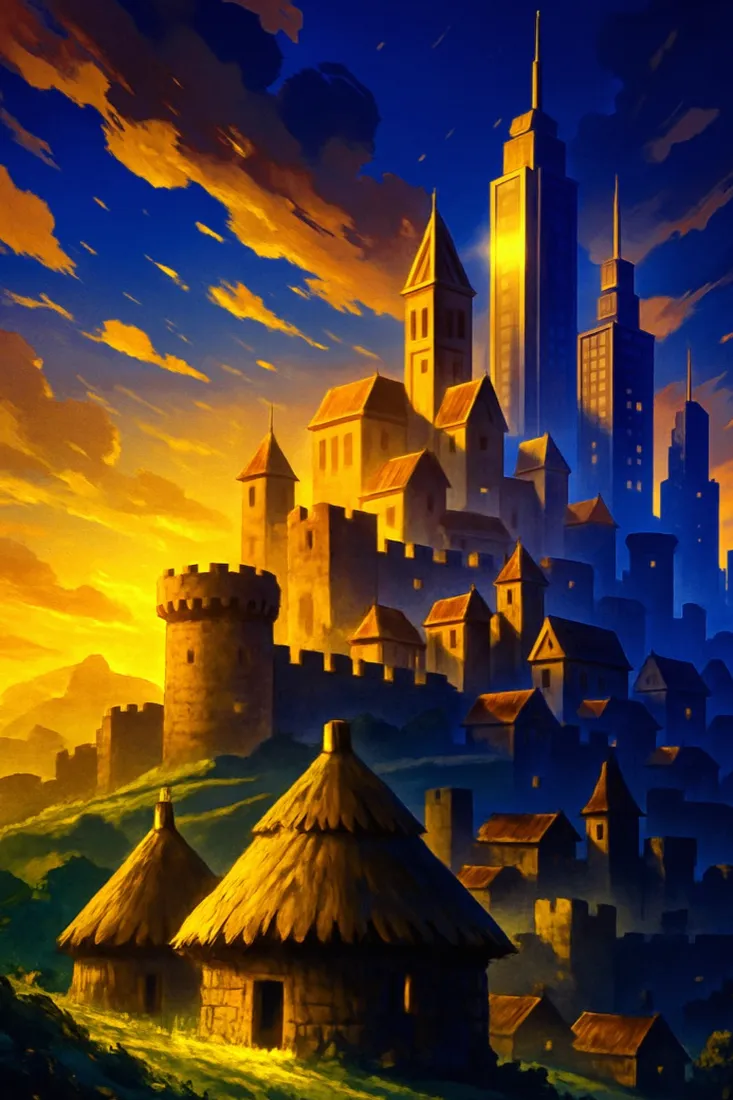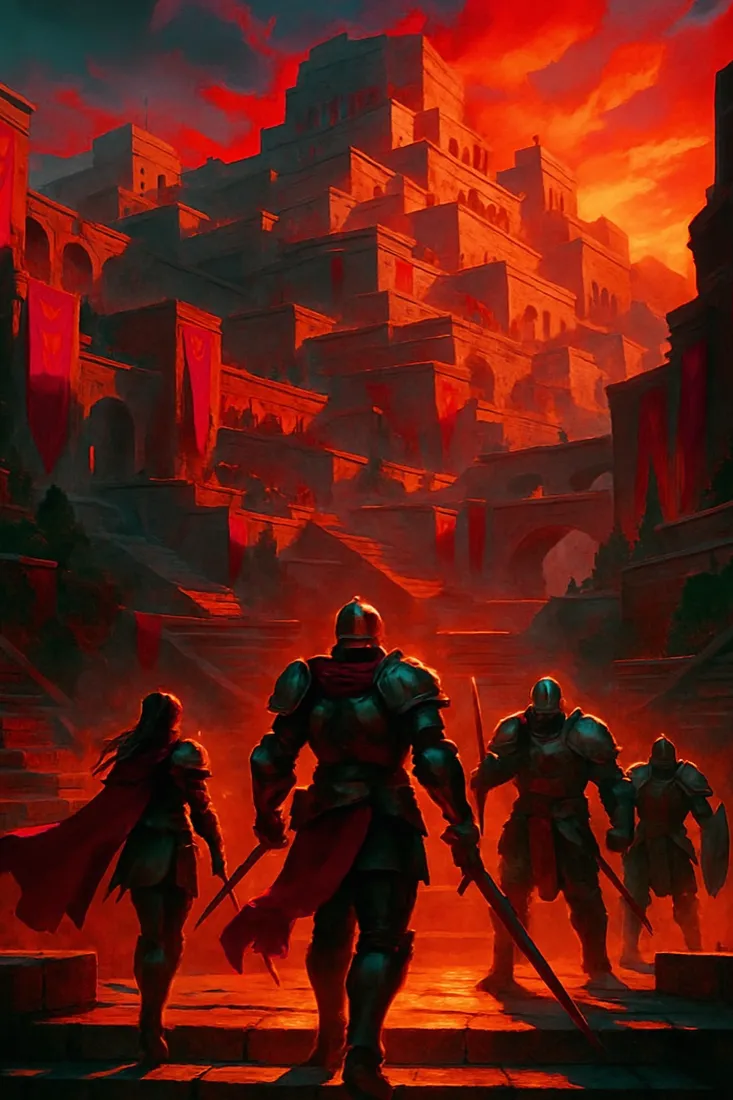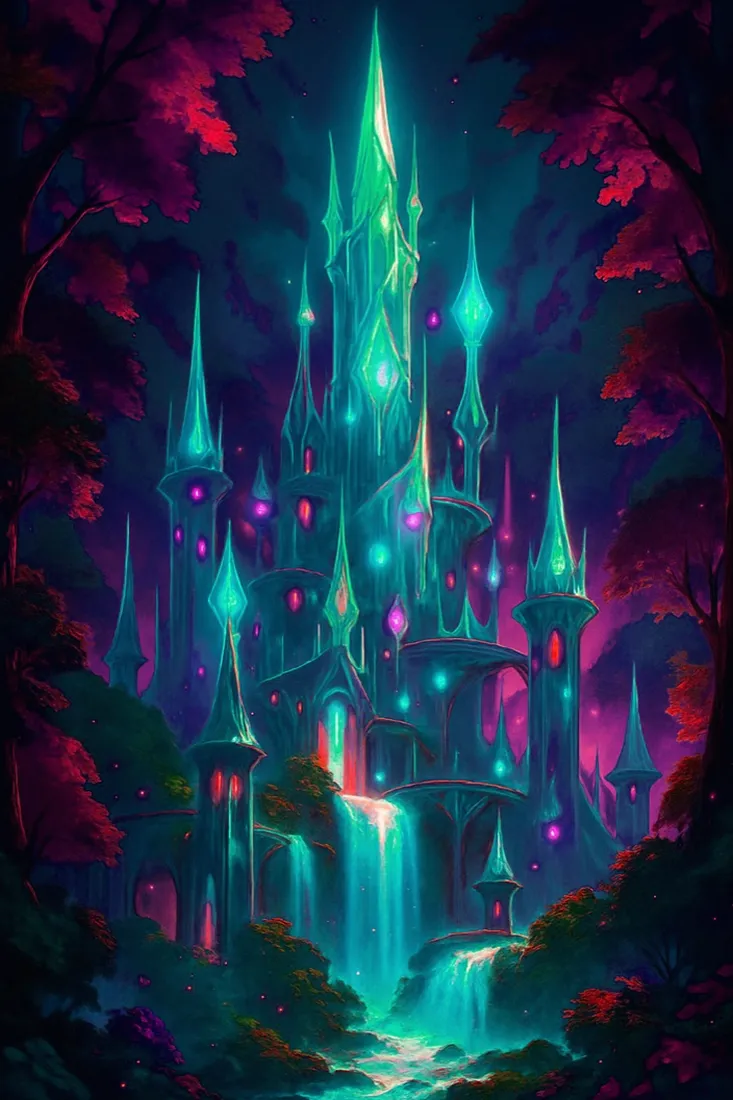
The first decision in Elvenar is whether you play as elves or humans, and it sets the tone for everything that follows. The elves lean on magic, with buildings that look grown rather than built; the humans lean on medieval craft and weaponry, with sturdier timber and stone. We started one city of each, and both were good enough that we kept them going well past the end of testing.
What sets Elvenar apart from most builders is how much it cares about the look of your city. Almost every building can be upgraded several times, and each upgrade changes its appearance as well as its output. A street that started as a few modest homes becomes something you want to screenshot. That sounds cosmetic, but it makes progress visible in a way numbers rarely manage.
Main hall, factories and the worker huts in between
The town revolves around a main hall, residences, factories and worker huts, and much of the challenge is fitting them together. Residential buildings and factories both need room, and expansions arrive slowly, so every new square feels precious. You learn to plan in blocks, leaving space for a building’s next upgrade instead of cramming in something that will need moving next week.
We liked that upgrading is so central. Instead of constantly replacing buildings with new ones, you often improve what you have, and the game rewards patience over churn. A well-upgraded factory can be worth more than two fresh ones, and figuring out which buildings deserve your resources becomes a satisfying, slightly obsessive habit by the end of the first fortnight.
Two hundred improvements and a slow, handsome climb
The research tree is long; the official page counts more than two hundred improvements to discover. Technologies unlock new buildings, upgrades and expansions, and the pace is deliberately unhurried. Some steps need goods you may not produce yourself, which is the game’s way of pointing you towards trade and other players.
Relics add a pleasant wrinkle. You find them while exploring the world map around your city, and they boost your production, so exploration feeds back into the town rather than being a separate mini-game. It gives the map a purpose beyond decoration and makes each province you clear feel like it improves the city back home.
The trader and the neighbours who keep you afloat
Trading is the beating heart of Elvenar. You will overproduce some goods and lack others, and the trader lets you swap surplus with players across the world. Neighbourly help lets you visit other cities, assist with their buildings and establish trade routes, and it builds a real sense of living in a shared world rather than in a sealed sandbox.
Fellowships, Elvenar’s guilds, deepen that further. Members help one another, trade within the group and tackle shared goals such as weekly tournaments and the Spire of Eternity. Our first fellowship turned out to be mostly dormant, and the difference when we moved to an active one was striking. Good company is not optional here; it is half the game.
Where the gentle pace starts to pinch
Elvenar’s calm can tip into slowness. Expansions are limited, timers lengthen as you climb, and there are stretches where the only sensible move is to wait for research or production. Players who want constant action may find their attention drifting, especially in the middle stages when the novelty of each new building has worn off.
The shop also makes itself known, offering premium currency to speed timers and decorations to boost the city. In our weeks the free path never felt blocked, but it did feel slower than in Forge of Empires. If you treat Elvenar as a garden you tend rather than a race you run, those pinches are easy to live with.
Elvenar: laying the first stones
- Choose elves or humans based on which look you will enjoy for months; it shapes every building you place.
- Leave room around residences and factories for their upgrades rather than packing every square straight away.
- Explore the world map early to collect relics, since they boost production back in your city.
- Use the trader daily to swap surplus goods; small, regular trades keep research moving smoothly.
- Join an active fellowship before the week is out and help your neighbours whenever you visit their cities.
What we love
- Buildings visibly change as they upgrade, so progress is something you can actually see.
- Trading with other players feels central and rewarding rather than tacked on.
- The research tree is long, with a steady supply of new goals.
- Elves and humans genuinely feel different in look and character.
What grates
- Expansions arrive slowly, so the middle stages can drag for impatient players.
- Shop prompts for speed-ups and decorations appear frequently.
- A quiet fellowship leaves you short of trades and shared goals.
The planner Elvenar rewards
Elvenar suits players who care about how a city looks, who enjoy trading with others, and who are happy with a calm, steady rhythm. If you love redesigning a street until it is just right, this is your game. If you want armies and fast turns, look higher up the list.
Elvenar: the finished plan
Elvenar is the most beautiful builder on our shelf and one of the most thoughtful. Upgrading, trading and careful use of space make every decision matter, and a good fellowship turns it into a warm shared project. It can be slow and the shop is persistent, but if you enjoy the craft of town planning, few browser games reward it so handsomely.